
Marula Oil
A fast-absorbing, antioxidant-rich African oil — deeply nourishing yet surprisingly light, with low allergy risk
INCISclerocarya Birrea Seed Oil
- Category
- Emollient
- Risk level
- low
- What it is
- Oil from the kernels of the African marula tree (a drupe/stone fruit)
- High oleic acid
- >70% oleic acid — deeply moisturising for dry/mature skin, yet absorbs surprisingly fast
- Very stable
- High antioxidant content makes it oxidation-resistant, with a 2+ year shelf life
- Allergy note
- Low allergy; a drupe (not a true nut), so patch test with severe tree-nut allergy
Look for these names on ingredient lists
This ingredient may appear under any of these names:
Commonly found in
Possible reactions
- Very rare allergic reactions
- Drupe/nut allergy caution
- Can feel heavy on very oily/acne-prone skin
- No sun sensitivity
- Pregnancy-safe
Top picks with Marula Oil
Highly rated products that feature Marula Oil in their ingredient list.
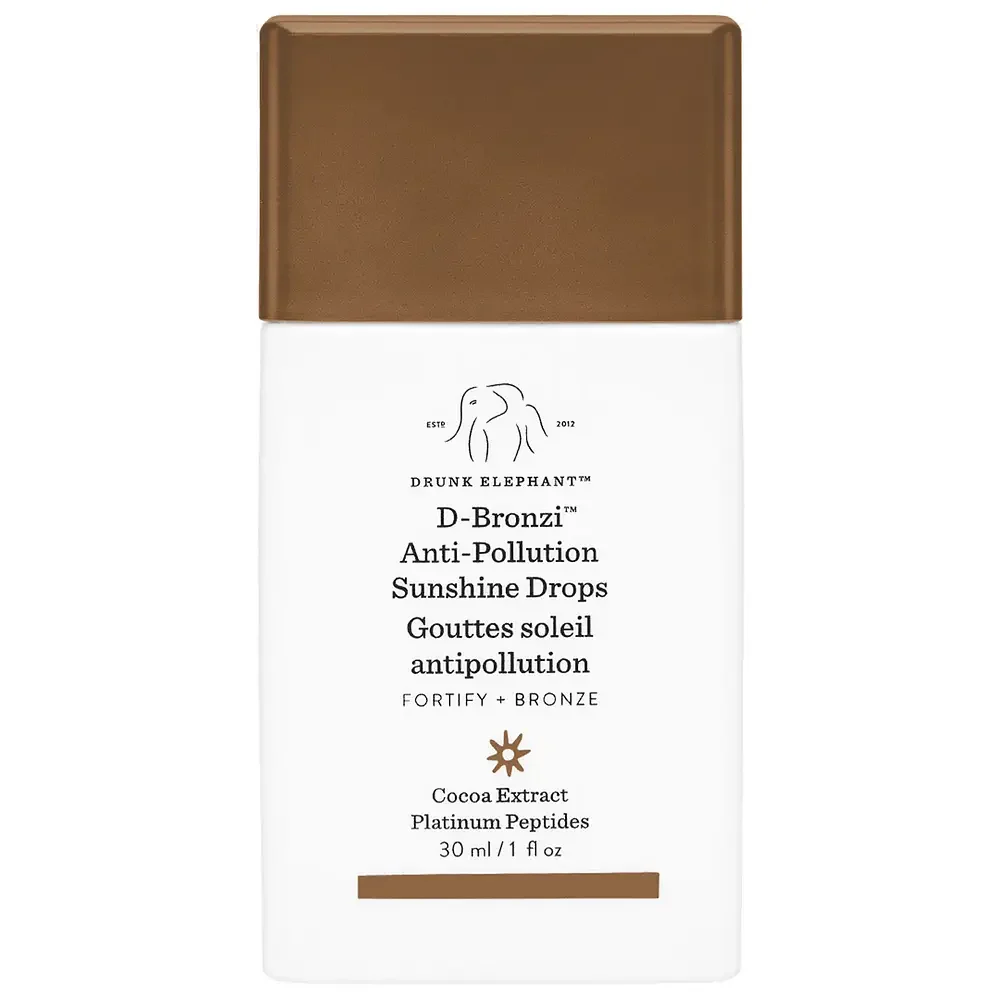
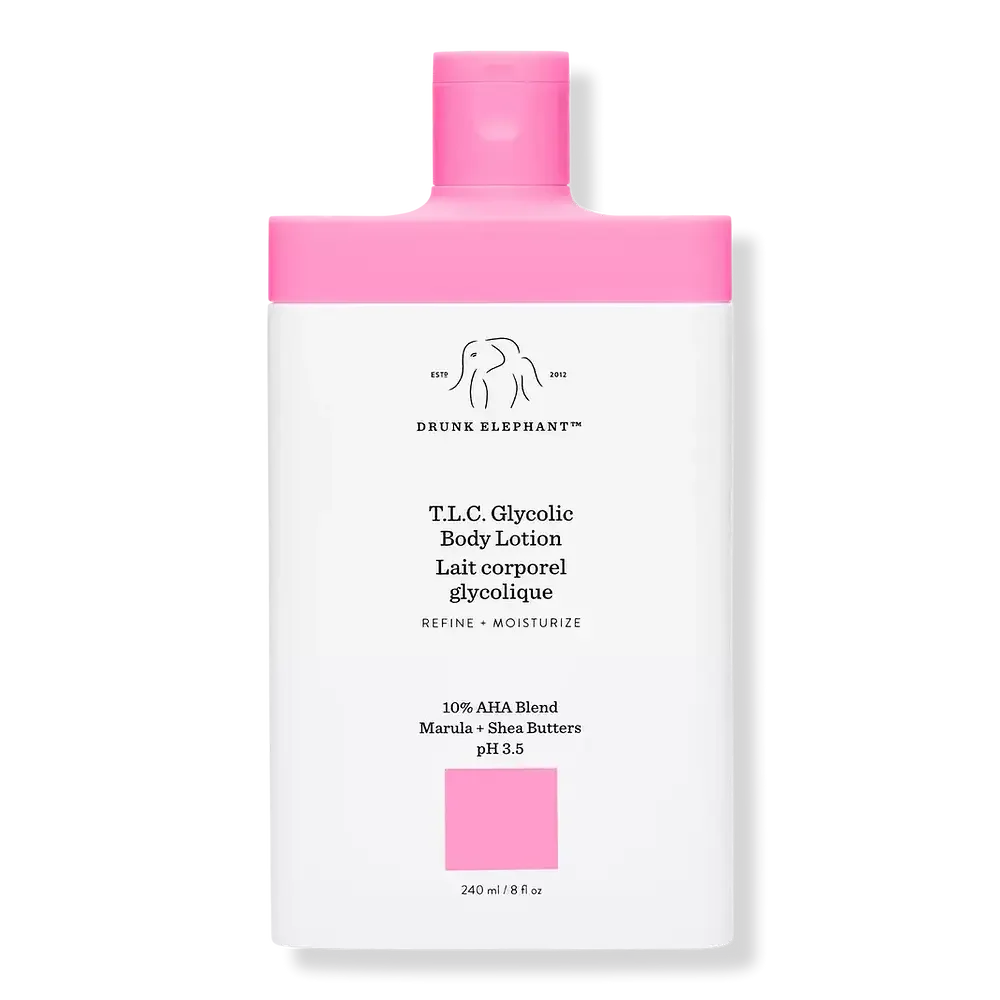
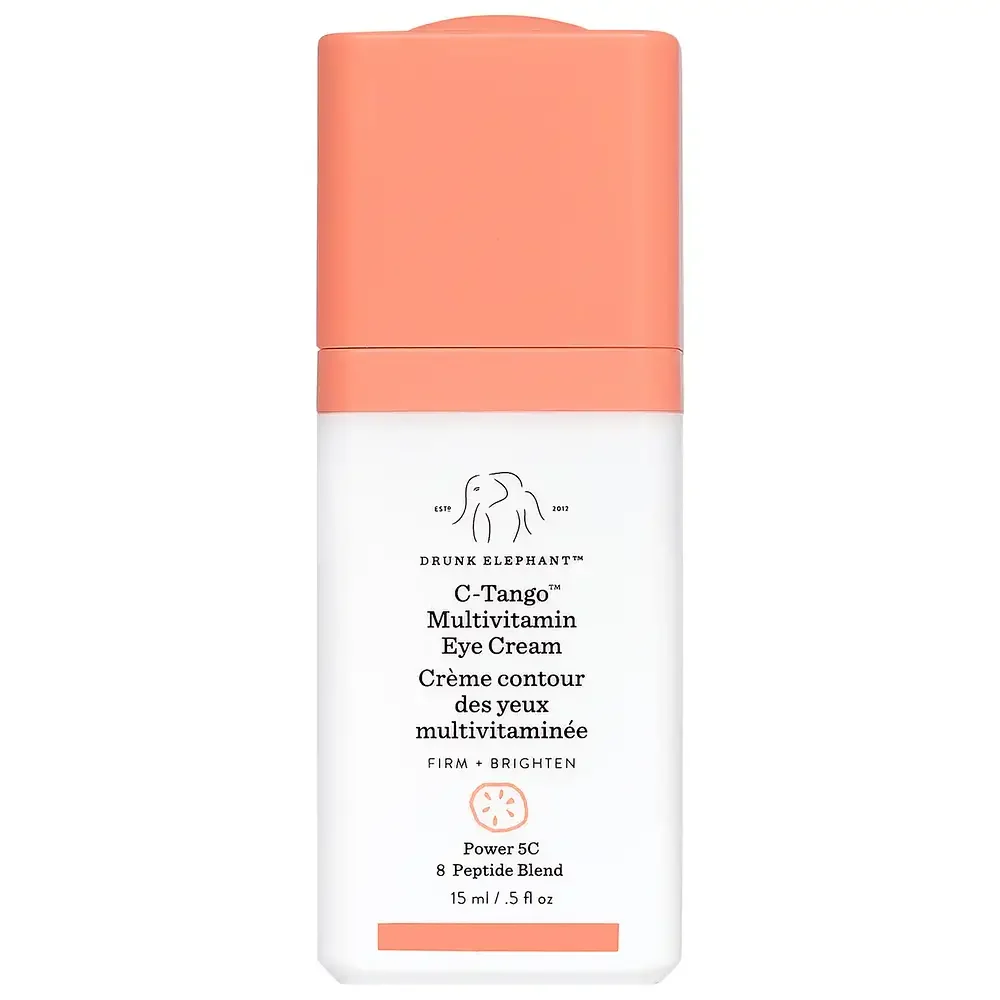
Always scan the actual label before use — formulations change.
Scan a product for this concern
What is marula oil?
Marula oil is pressed from the kernels of the Sclerocarya birrea fruit, native to Southern Africa, where it's long been used for skin and hair care. It's over 70% oleic acid, making it richly moisturising, and high in vitamin E, vitamin C, phenolic antioxidants, and amino acids. Despite that richness, it absorbs quickly and feels lighter than you'd expect from a high-oleic oil — and it's exceptionally stable, lasting 2+ years without going rancid.
Why it's well tolerated (with a small caveat)
Marula has a strong safety profile and rare contact dermatitis; it's non-photosensitising and pregnancy-safe. Two practical notes:
- Drupe/nut caution. Marula is a stone fruit (drupe), botanically more like a plum than a tree nut. Reactions are uncommon, but severe nut allergy → patch test first.
- Richness. Its oleic content can feel heavy on very oily or acne-prone facial skin; lighter oils (jojoba, squalane) or high-linoleic oils suit those better. On dry/mature skin, the richness is the benefit.
How to use it well
- A few drops — concentrated; a little covers the face.
- After serums — layer over water-based products to seal them in.
- Mix a drop into night cream for extra richness.
- On hair ends to control frizz.
- Room-temperature storage — very stable, no fridge needed.
Alternatives
- Oily/acne-prone skin: jojoba or squalane (lighter); high-linoleic oils (hemp, grapeseed).
- Lower cost, similar benefits: argan oil.
- Maximum inertness: squalane (no botanical cross-reaction for nut allergy).
The bottom line
Marula is a rich-but-light, antioxidant-loaded, very stable face and hair oil with low allergy risk — ideal for dry and mature skin. Keep the two caveats in mind: it's a drupe (patch test with serious nut allergy), and it can be too rich for oily faces.
Was this article helpful?
One tap tells us what to write more of. No account needed.
Is this ingredient in your products?
Scan any cosmetic product to check for Marula Oil and 30+ other allergens instantly.