
Tinosorb S (Bemotrizinol)
A modern broad-spectrum UV filter that covers UVA+UVB in one molecule and doesn't photodegrade — common in Europe, not yet FDA-approved in the US
INCIBis-Ethylhexyloxyphenol Methoxyphenyl Triazine
- Category
- Sunscreen / UV Filter
- Risk level
- low
- Broad-spectrum in one filter
- Covers UVB and UVA1/UVA2 (~280–400 nm) — one of few single filters that do
- Photostable + stabiliser
- Does not degrade in sunlight and helps stabilise other filters (e.g. avobenzone)
- Availability
- Approved in EU, UK, Australia, Japan, etc.; NOT FDA-approved in the US
- Tolerability
- Large molecule, minimal skin penetration, allergy essentially unheard of
Look for these names on ingredient lists
This ingredient may appear under any of these names:
Commonly found in
Possible reactions
- Allergic reactions extremely rare
- No photodegradation
- No sun sensitivity
- Minimal systemic absorption
Top picks with Tinosorb S (Bemotrizinol)
Highly rated products that feature Tinosorb S (Bemotrizinol) in their ingredient list.
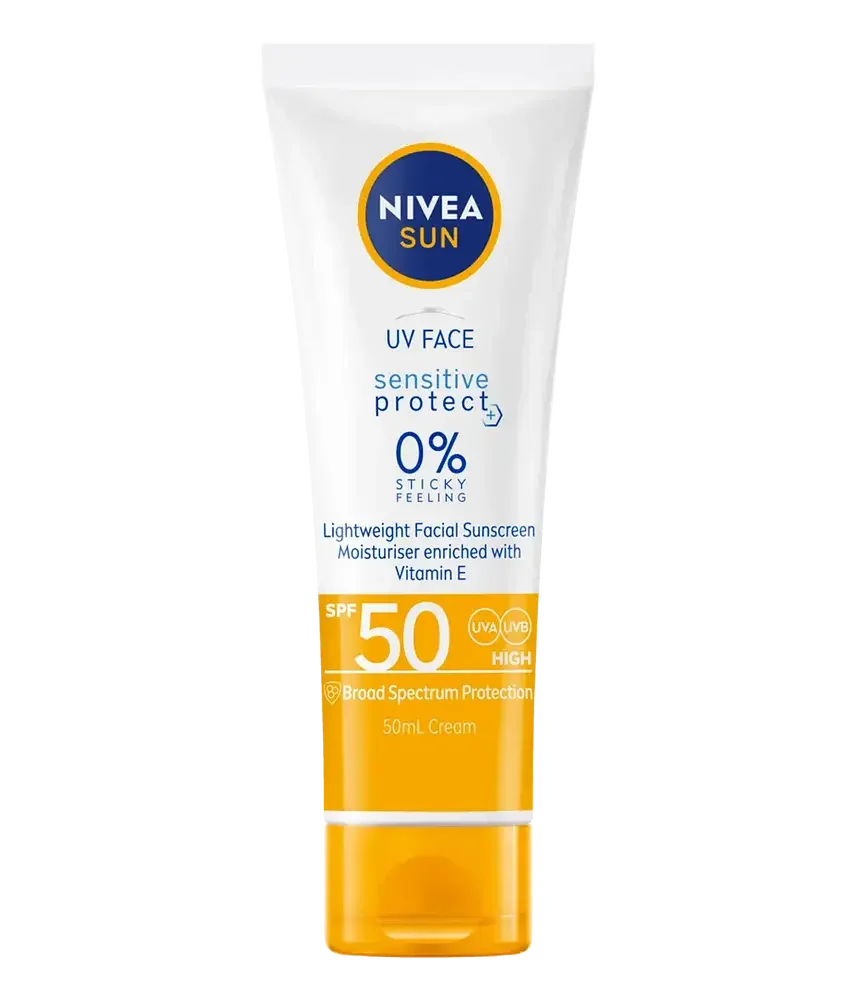
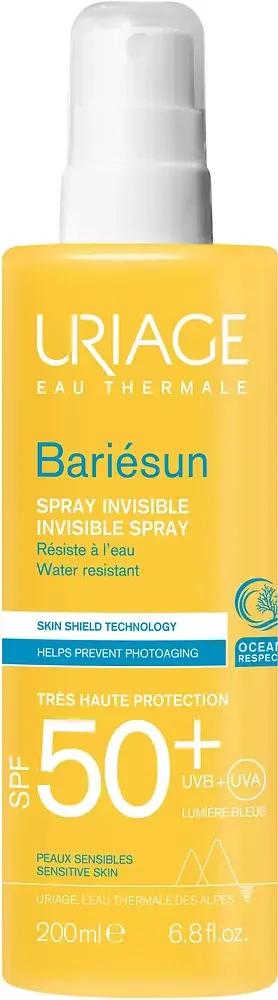
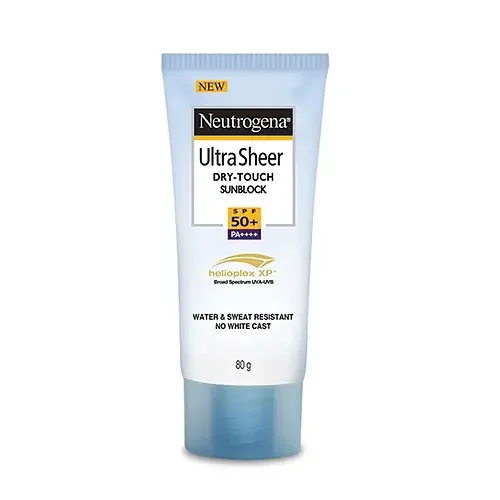
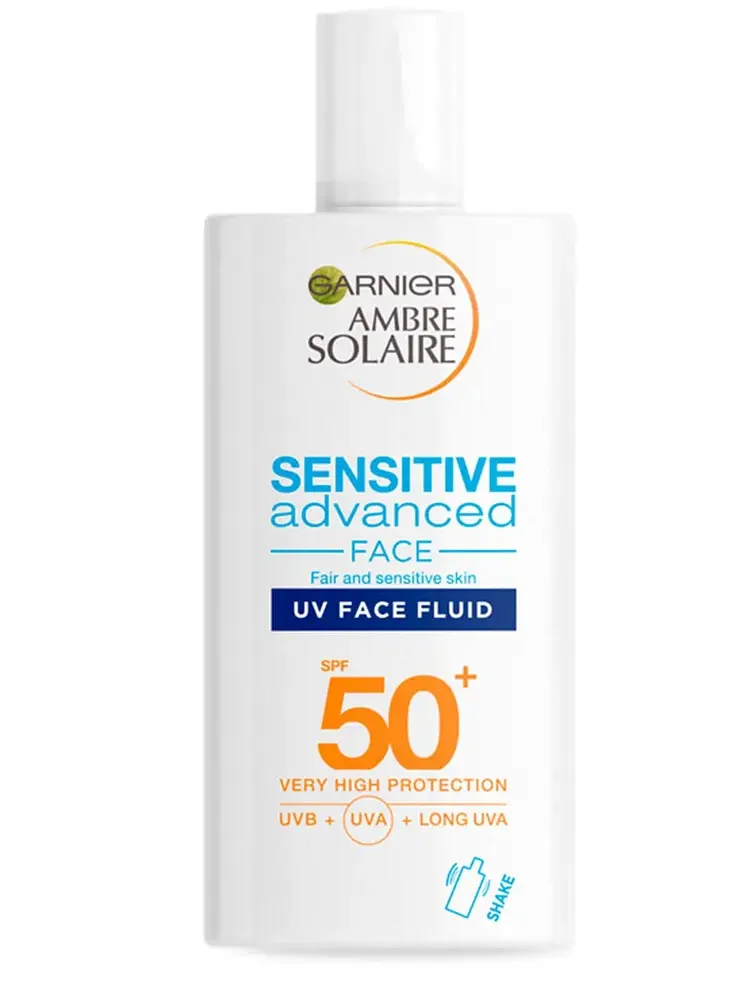
As an Amazon Associate, AllerNote earns from qualifying purchases.
Always scan the actual label before use — formulations change.
Scan a product for this concern
What is Tinosorb S?
Tinosorb S (INCI: Bis-Ethylhexyloxyphenol Methoxyphenyl Triazine; also bemotrizinol) is one of the most advanced chemical UV filters available. Developed by BASF in the early 2000s, it's approved across the EU, UK, Australia, Japan, and most of the world — but not by the US FDA, whose stalled approval process has left American sunscreens a generation behind on modern filters.
It stands out because it:
- provides broad-spectrum UVA+UVB protection in a single molecule,
- is photostable (doesn't break down in sun) and stabilises other filters like avobenzone,
- is minimally absorbed, and
- has an excellent safety record with allergy essentially unheard of.
That's why it anchors premium sunscreens from La Roche-Posay, Avène, Bioderma, and Eucerin.
Why it's so well tolerated
Tinosorb S is a large molecule (~627 Da) that doesn't penetrate intact skin, so systemic absorption is minimal, and patch-test contact dermatitis is almost nonexistent. The EU's safety committee has repeatedly confirmed it safe up to 10%.
- US gap — absent from American sunscreens (no FDA approval), present in EU/Asian ones.
- Stabiliser — added to avobenzone formulas to extend their working life.
- Sensitive/children — frequently chosen for gentle and kids' sunscreens.
- Pregnancy — no specific concerns flagged; minerals remain most conservative.
How to use it well
- Look for it by name — Bis-Ethylhexyloxyphenol Methoxyphenyl Triazine / Bemotrizinol.
- Pairs beautifully with Tinosorb M for the most complete coverage.
- Reapply every 2–3 hours — photostable isn't permanent.
- Apply generously — two finger-lengths for face and neck.
- Worth prioritising for melasma — strong, stable UVA1 protection.
Alternatives
- Simplest/most conservative: mineral sunscreens (zinc oxide).
- Companion filters: Tinosorb M, Uvinul A Plus, Mexoryl (also EU/Asia, not US).
- US users: mineral sunscreens, since Tinosorb isn't FDA-approved.
The bottom line
Tinosorb S is a modern, photostable, broad-spectrum filter with one of the best safety profiles going — excellent for melasma and sensitive skin alike. Its only real "catch" is geographic: easy to find in European and Asian sunscreens, unavailable in US ones.
Was this article helpful?
One tap tells us what to write more of. No account needed.
Is this ingredient in your products?
Scan any cosmetic product to check for Tinosorb S (Bemotrizinol) and 30+ other allergens instantly.