The Canary of Your Face
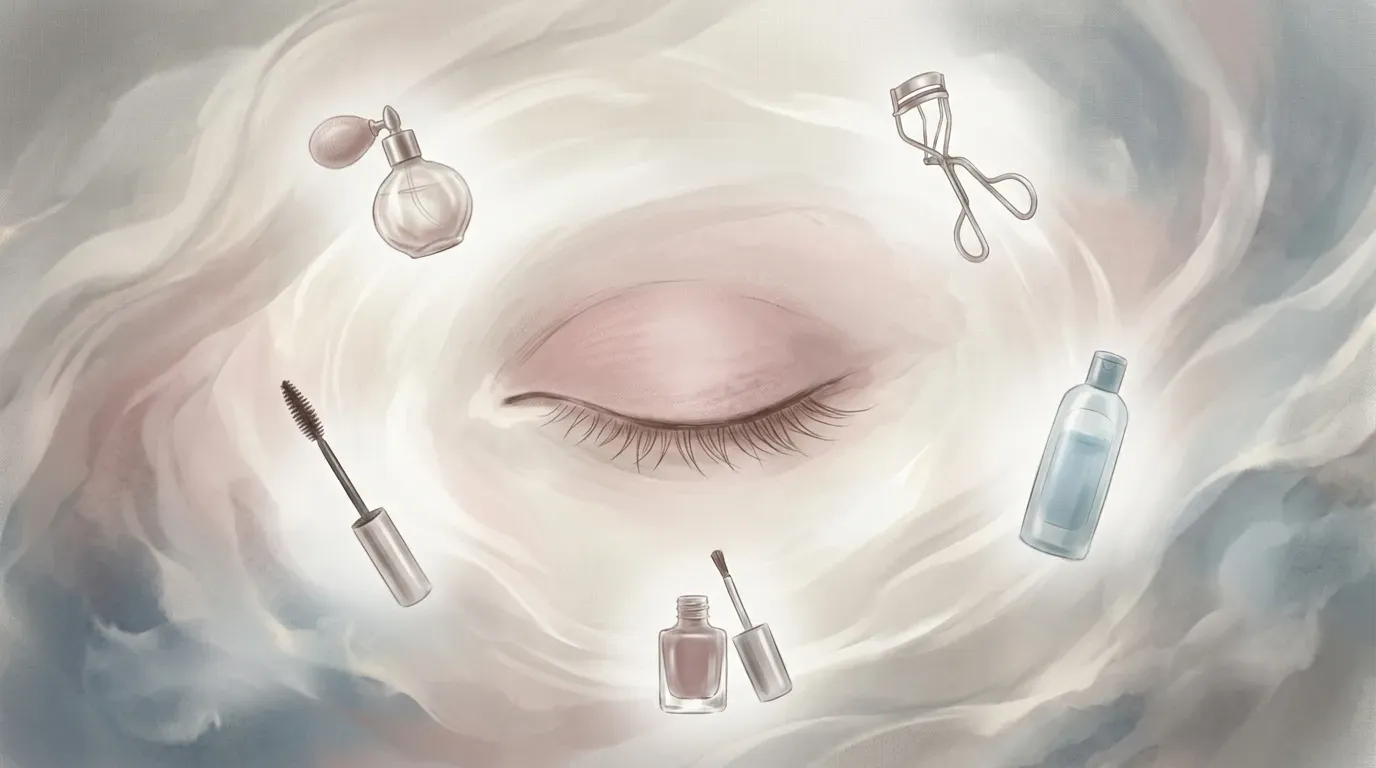
Eyelid skin is around half a millimeter thick — the thinnest anywhere on your body, with minimal barrier fat and constant movement. Allergens that your cheeks tolerate at full strength will light up your lids at trace doses.
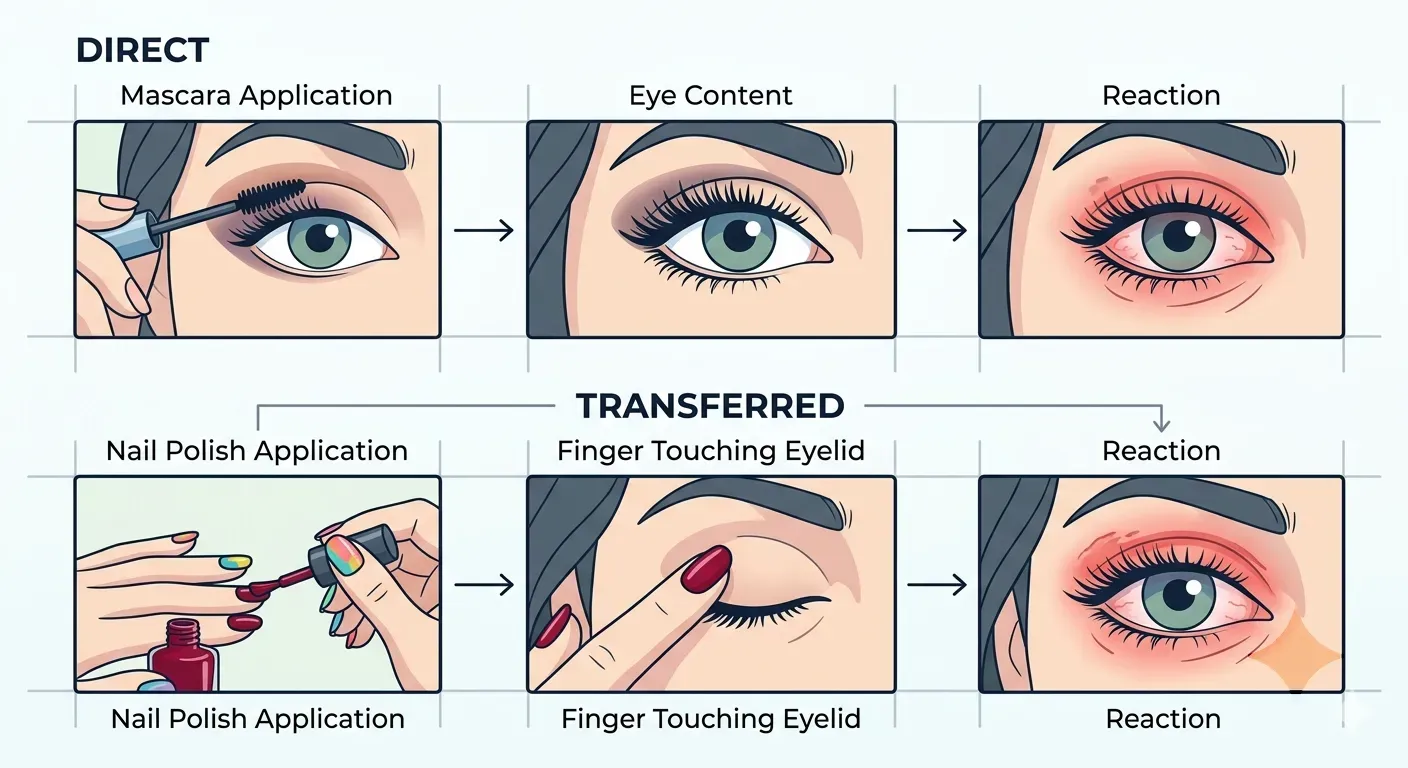
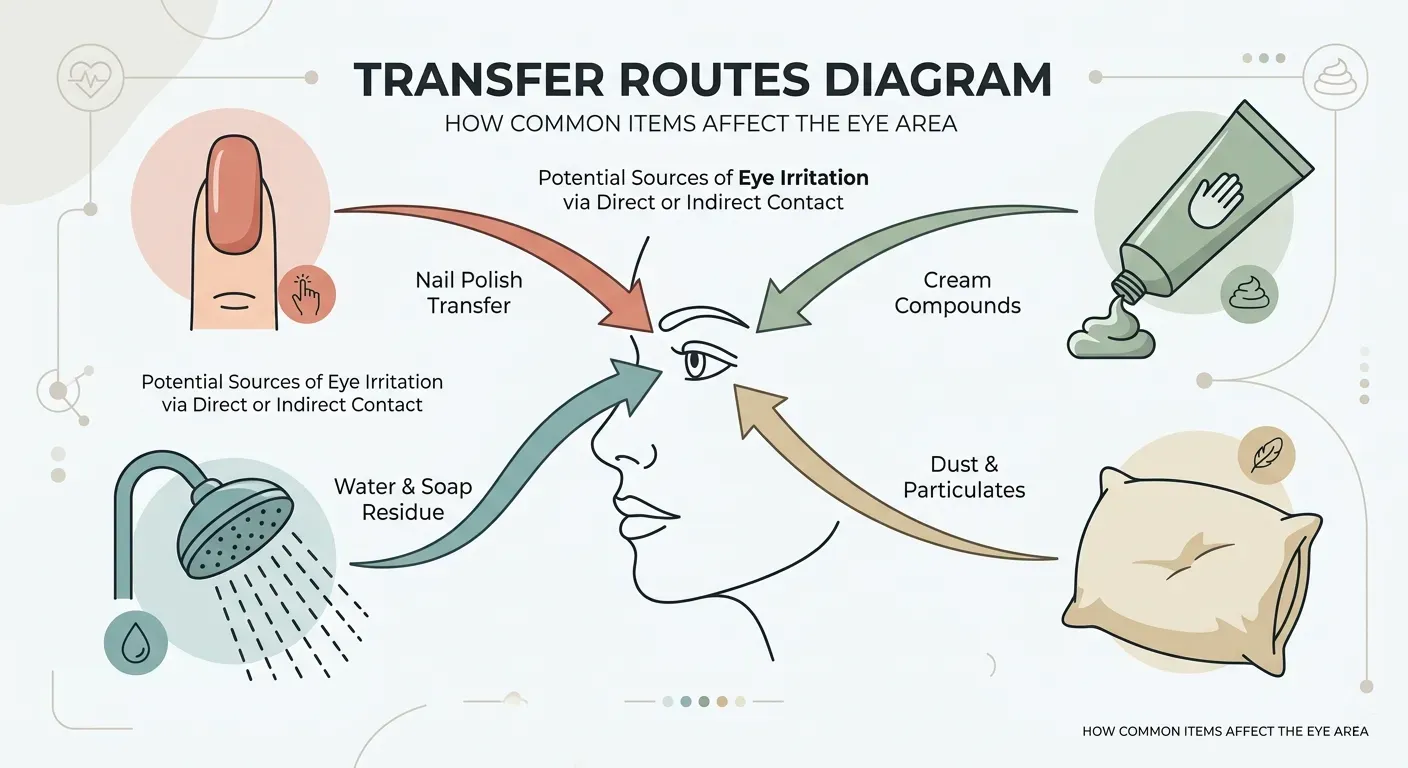
That's why dermatologists treat eyelid dermatitis as an early-warning system: the lids react first, and they react to products applied somewhere else entirely. In patch-test studies of chronic eyelid dermatitis, cosmetics are the leading cause — but the guilty cosmetic is frequently one that never touched the eye.
The Culprit List, Ranked
1. Fragrance — the statistical winner
Fragrance tops eyelid patch-test results year after year. It reaches your lids from everywhere: face creams, hand creams (via rubbing your eyes), hair products, even airborne exposure from sprays. A "fragrance-free face routine" doesn't help if your hand cream is scented and your hands do what hands do.
2. Nail cosmetics — the classic plot twist
Tosylamide/formaldehyde resin (classic polish) and acrylates (gel/shellac manicures) cause textbook ectopic dermatitis: hands fine, eyelids inflamed. You touch your periocular skin constantly, and curing-stage gel products are especially potent sensitizers. If your flares began within months of starting gel manicures, you've probably found it. (See the tosylamide ingredient page and acrylates page.)
3. Preservatives in rinse-off products
Methylisothiazolinone (MI) and MCI in shampoo, conditioner, and face wash run down over your closed eyes with every shower, then sit in the thin lid skin's creases. The exposure is seconds long — and with a sensitizer this strong, seconds are enough. Baby wipes and micellar waters used for eye-makeup removal are the leave-on equivalent.
4. Nickel — from tools, not just jewelry
Eyelash curlers, tweezers, glasses frames, and trace nickel inside some eyeshadow pigments. If earrings or watch-backs have ever bothered you, extend suspicion to everything metal that touches your eye area. Full guide: Nickel in Makeup.
5. Actual eye makeup — guilty less often than accused
Mascara, eyeliner, and shadow can be the cause (shellac in mascara, carmine and nickel traces in pigments, rosin in some liners) — but in published series they trail the transferred culprits above. Lash glue (cyanoacrylate) and lash serums are the rising exceptions.
Dermatitis on one lid only is a routing clue: think dominant-hand transfer (nail products), a single tool (curler, phone side), or sleeping position (pillow products, partner's cologne). Symmetric lids point to routine-wide exposures like shampoo or face cream.
The Self-Audit, In Order
- List a full day of hand and hair contacts — polish, hand cream, sanitizer gels, shampoo, styling products. These outrank your eye products as suspects.
- Go strictly fragrance-free everywhere (face, hands, hair) for 4 weeks — not "unscented," genuinely fragrance-free; the hypoallergenic-myth guide explains the label difference.
- Pause nail cosmetics for one full growth cycle if you use gel or classic polish.
- Scan your products against the eyelid hot-list: fragrance, MI/MCI, tosylamide, acrylates, shellac, rosin (colophonium).
- Still flaring after 4–6 weeks? Patch test. Eyelid dermatitis has one of the highest patch-test hit rates of any presentation — our patch-test preparation guide covers how to make the appointment count.
FAQ
Is it allergy or just irritation?
Both happen on lids and they look similar. Irritation (retinoids drifting up, acids, harsh cleansers) burns fast and improves quickly once you stop. Allergy itches more than burns, arrives 1–3 days after exposure, and keeps relapsing "randomly" — because the exposure is hidden. Chronic relapsing courses deserve patch testing rather than another product purge.
Can I use hydrocortisone on my eyelids?
Only briefly and ideally with medical guidance — lid skin absorbs steroids efficiently, and prolonged use risks skin thinning and eye pressure issues. More importantly, steroids quiet the fire without naming the arsonist; identification is the actual fix.
Which products are safest while I figure it out?
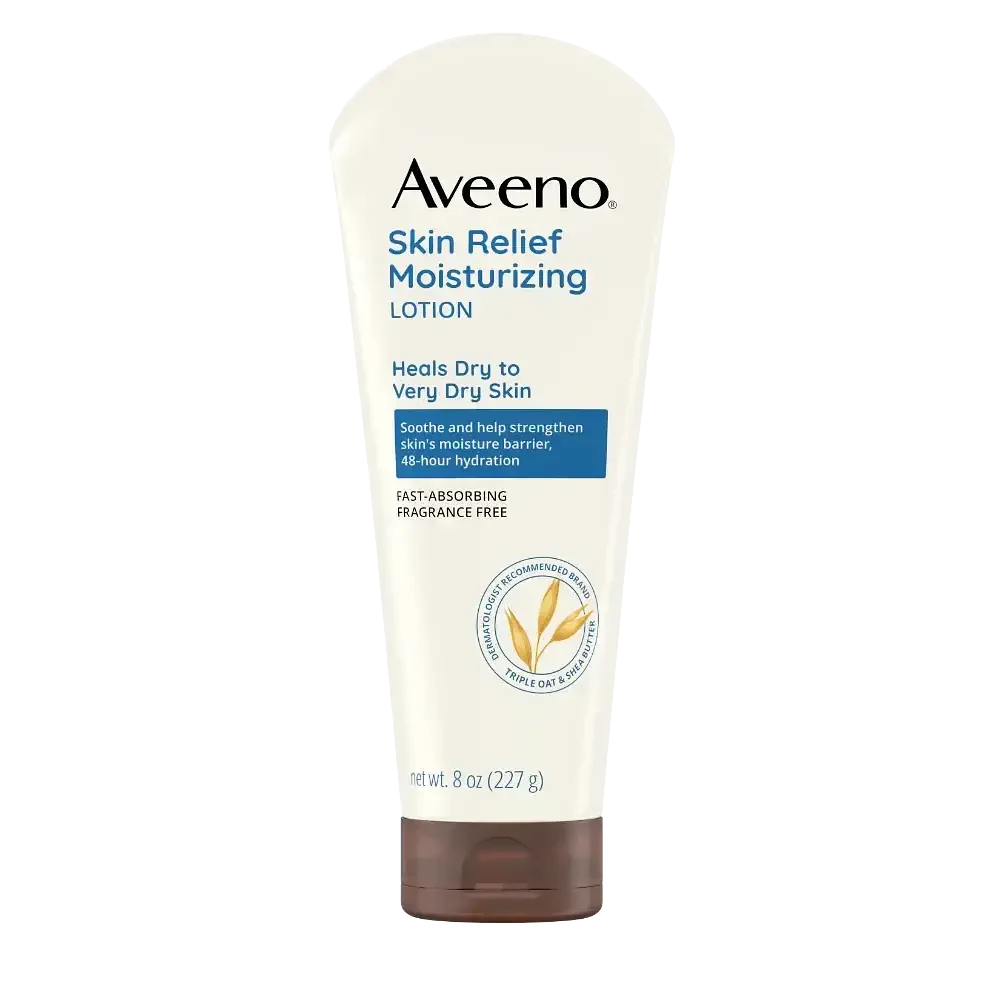
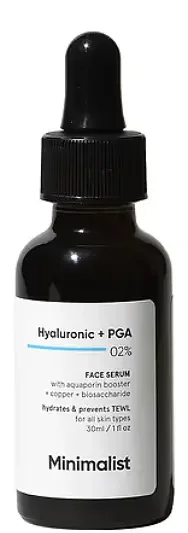
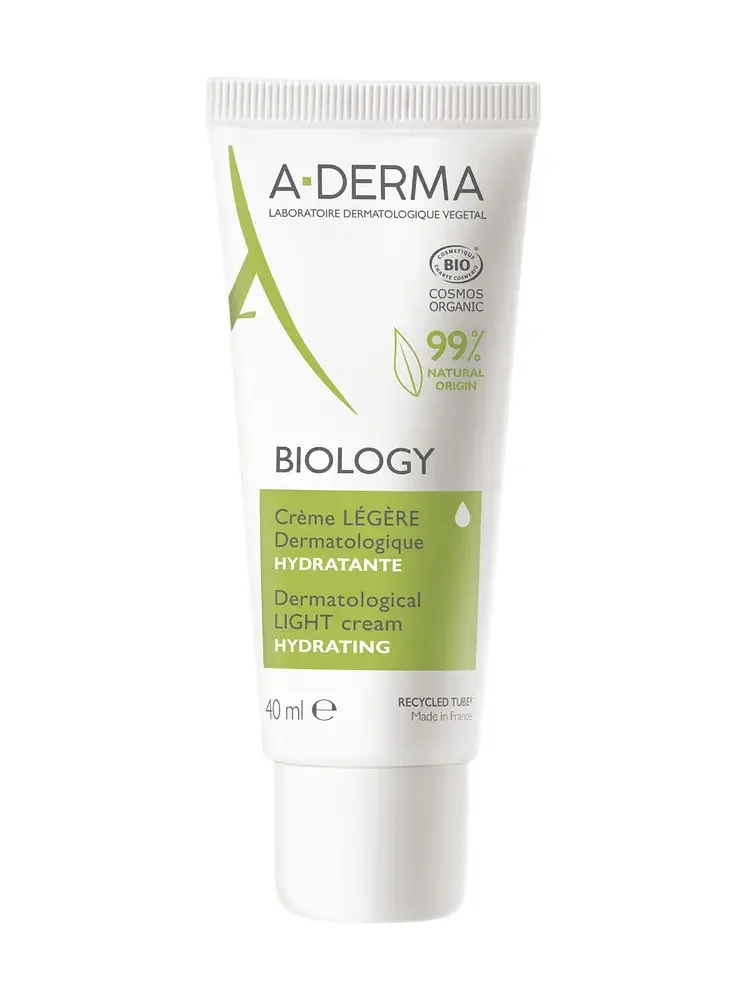
Boring ones: fragrance-free, MI-free, minimal-ingredient formulas — the fewer ingredients, the fewer suspects. The picks below are screened against the main eyelid allergen families to give you a quiet baseline routine.