You did everything right, and your skin still reacts
You got patch tested. You have a list. You're avoiding everything on it. You scan products. You read labels. And your skin is still flaring.
This is one of the most common — and most frustrating — situations in contact dermatitis care. The good news: it almost always has a findable cause. The bad news: finding it requires systematic detective work, not more product swaps.
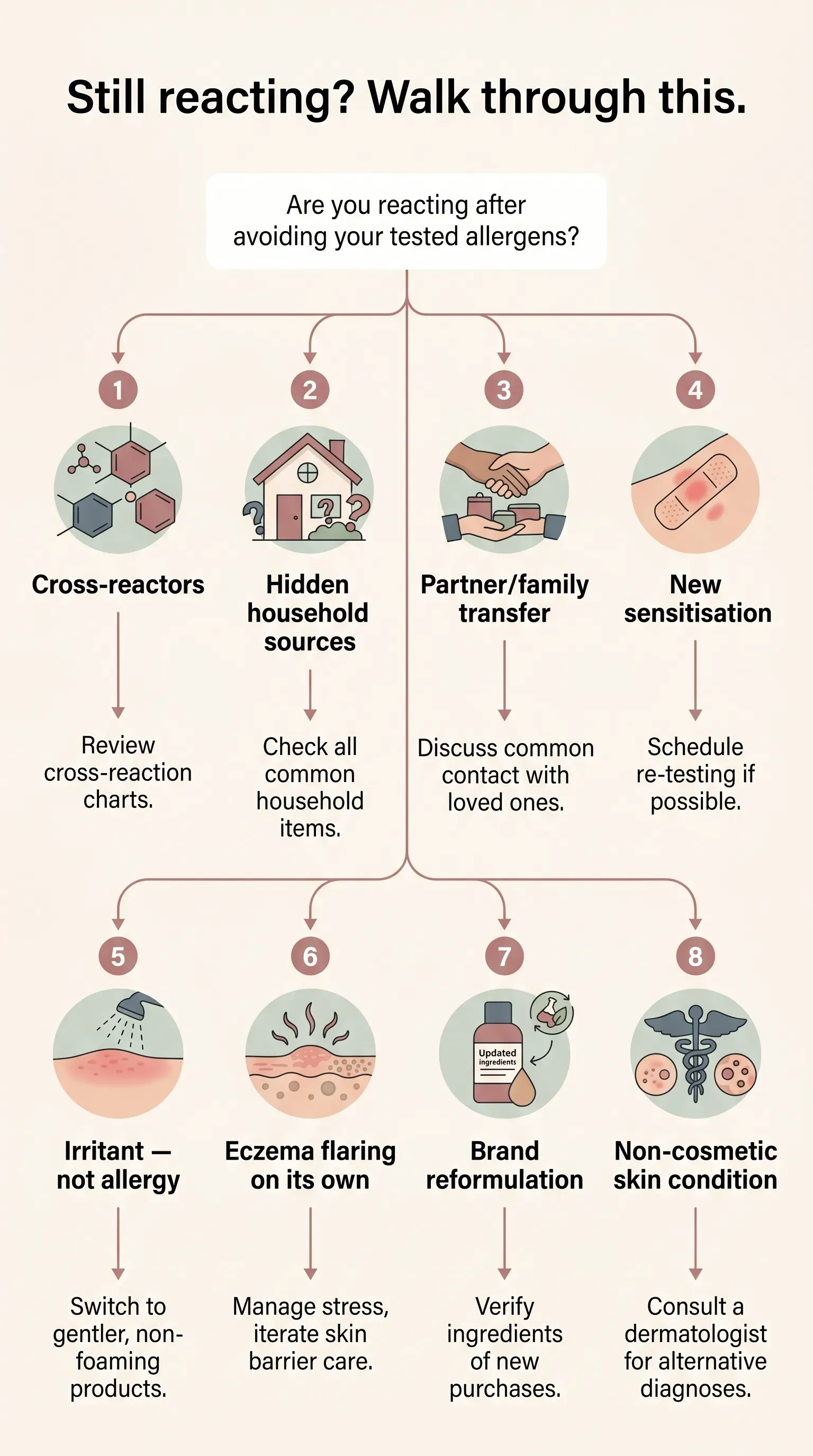
Here are the eight most common reasons reactions persist, and the structured way to work through them.
If reactions are severe, spreading, or affecting your eyes, breathing, or sleep, do not work through this list alone. Book a follow-up appointment. This guide assumes you have a clinical relationship and are troubleshooting between visits.
1. Cross-reactors you're missing
The most common reason. Your patch test identified the molecules your immune system attacks. But your immune system also recognises shapes, so chemically similar substances can trigger the same response.
Examples:
- Positive to nickel? You probably also react to cobalt and palladium.
- Positive to fragrance mix I? Balsam of Peru, cinnamon, vanilla, and many "natural" extracts may flare you too.
- Positive to PPD (hair dye)? Textile dyes in dark synthetic clothing can do it.
- Positive to formaldehyde? Several "preservative" ingredients slowly release formaldehyde in product.
If you haven't read our Cross-Reactors Guide, start there. It maps every major allergen family.
2. Hidden exposure routes outside cosmetics
Patch test patients tend to focus on skincare and cosmetics. But contact allergens hide in dozens of everyday objects:
| Source | Common allergens |
|---|---|
| Laundry detergent | Fragrance, MI/MCI, optical brighteners |
| Fabric softener | Quaternium compounds, fragrance |
| Dishwashing liquid | Fragrance, MI, surfactants |
| Hand soap and sanitiser | Fragrance, alcohol, MI |
| Wet wipes | MI, MCI, formaldehyde releasers |
| Toilet paper / facial tissue | Fragrance, formaldehyde |
| Phone screen, jewellery, glasses | Nickel, cobalt |
| Synthetic clothing (esp. dark colours) | Disperse dyes, textile finishes |
| Furniture textiles, mattress covers | Chromium, dyes, formaldehyde |
| Cleaning sprays and surface wipes | Fragrance, isothiazolinones |
| Hand cream from a colleague's desk | Anything — shared exposure |
If you're rinsing dishes by hand or doing laundry, your skin is being exposed even if no cosmetic touches it.
3. Reactions through your partner or household
Partner's aftershave that touches your face. Shared towels that carried someone else's fragranced moisturiser. A child's wet wipe leaving residue on shared surfaces. This is sometimes called consort dermatitis — and it's surprisingly common.
A few quick checks:
- Does your partner use scented products at bedtime?
- Are you sharing pillowcases, blankets, or towels?
- Did anyone in the household start new laundry detergent or cleaner?
- Are children using fragranced wipes and then touching shared surfaces?
4. New sensitisation since your last test
Patch tests are a snapshot in time. Contact allergies develop continuously — you can become sensitised to something new at any age, including ingredients you tolerated for years.
Signs you may have a new allergy:
- Reactions started in the last few months
- The pattern doesn't match your known triggers
- You started a new product, supplement, or job
- Your job involves repeated chemical or wet-work exposure
If your patch test is more than 2-3 years old and reactions have changed, ask about re-testing.
5. Irritant contact dermatitis, not allergy
Not every red, itchy rash is allergy. Irritant contact dermatitis is caused by direct skin barrier damage, not immune sensitisation — and it doesn't show up on a patch test.
Common causes:
- Frequent hand washing or sanitiser use
- Harsh surfactants (sulphates, soap bars)
- Low-pH actives used too often (vitamin C, AHAs, BHAs)
- Cold, dry weather
- Sweat under occlusive clothing
Telltale signs of irritation rather than allergy:
- Appears within minutes to hours, not 24-72 hours later
- Stays confined to the contact area, doesn't spread
- Improves quickly once exposure stops
- Affects everyone using enough of the substance, not just you
Read more in our Contact Dermatitis Guide.
6. Underlying atopic dermatitis flaring independently
If you have eczema, your skin barrier is compromised. Atopic dermatitis flares on its own with stress, weather, sleep, hormones, and infections — without any contact allergen involved.
Patch test patients with eczema often blame every flare on cosmetics when half of them are baseline atopic activity.
If your reactions:
- Follow stress, sleep loss, or seasonal weather changes
- Affect classic eczema sites (elbow creases, behind knees, neck)
- Improve with bland moisturiser and worsen when you stop
...consider that your skincare may be fine and your eczema needs its own treatment. See our Eczema-Safe Skincare Guide.
7. Brand reformulations you missed
Brands change formulas without notice. The "safe staple" you bought last year may have a different preservative system today.
A simple defensive habit:
- Re-scan your trusted products every 3-6 months.
- Save the ingredient list of each safe product as a photo dated when you verified it.
- Check for "improved formula" or "new" badges on packaging.
AllerNote keeps a record of products you've scanned, so re-scanning after a reformulation is a single step.
8. Non-cosmetic causes that look like contact dermatitis
A few non-allergic conditions cause rashes that closely mimic contact dermatitis:
- Seborrheic dermatitis — flaky, red areas on scalp, eyebrows, sides of nose
- Rosacea — central facial redness, flushing, papules
- Perioral dermatitis — bumpy rash around the mouth, often steroid-related
- Tinea (fungal infection) — ring-shaped, slowly expanding rash
- Psoriasis — silvery plaques on elbows, knees, scalp
- Drug eruptions — widespread rash after starting a new medication
If your "contact reaction" doesn't track product exposure at all, the diagnosis may not be contact dermatitis. A dermatology follow-up can clarify.
The structured way to find your trigger
Pick one approach and stick with it for 4 weeks. Random product swaps make it impossible to identify what helped.
Week 1 — strip back
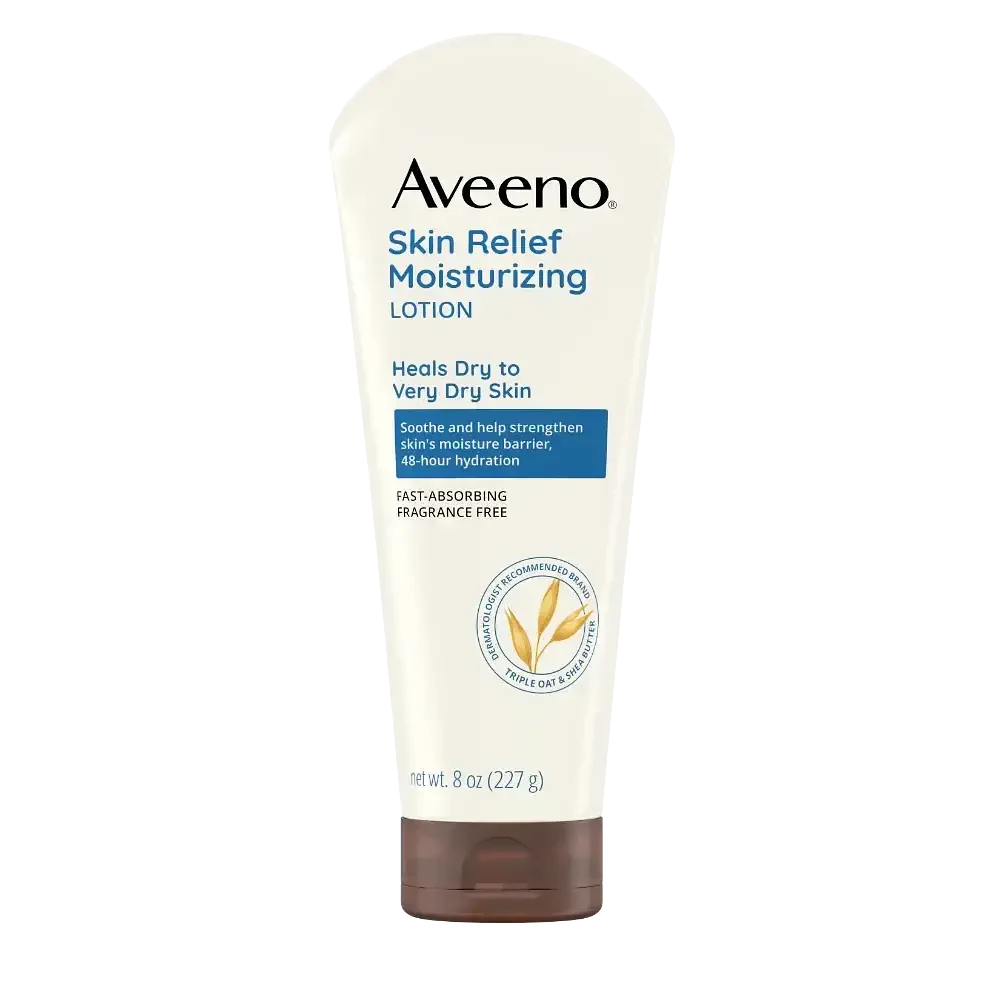
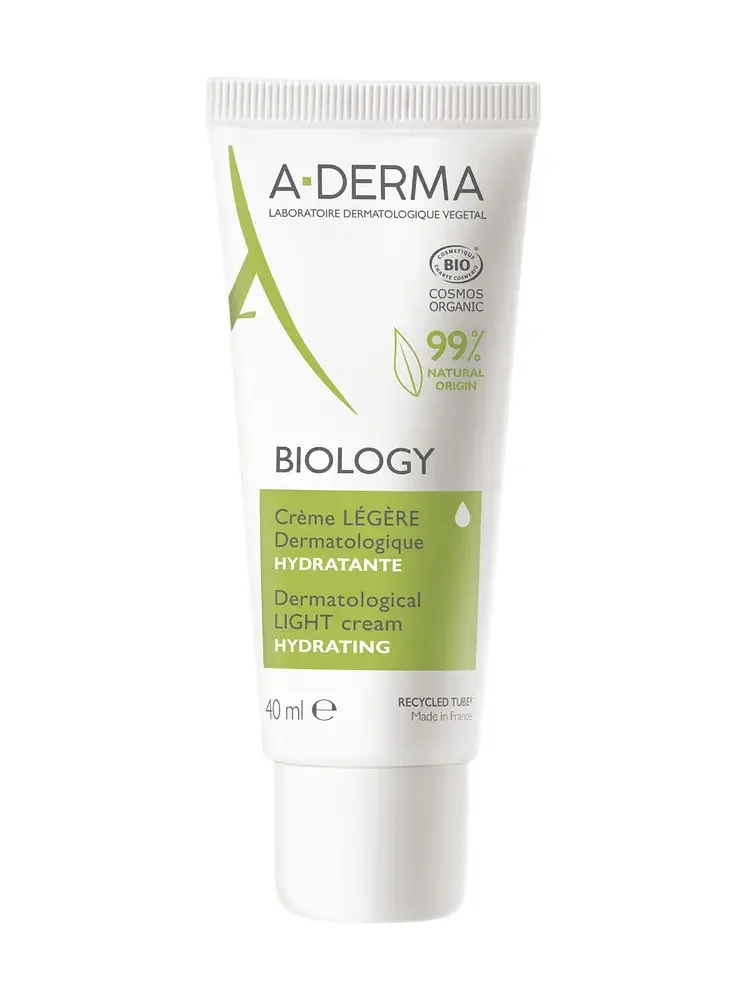
- Use only one cleanser, one moisturiser, one sunscreen, all verified safe against your allergen profile.
- Switch to fragrance-free, dye-free laundry detergent with no fabric softener.
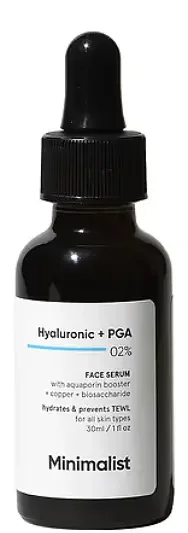
- Pause all "extras": serums, masks, perfumes, scented body wash.
- Use fresh towels and pillowcases washed in the new detergent.
Week 2 — baseline observation
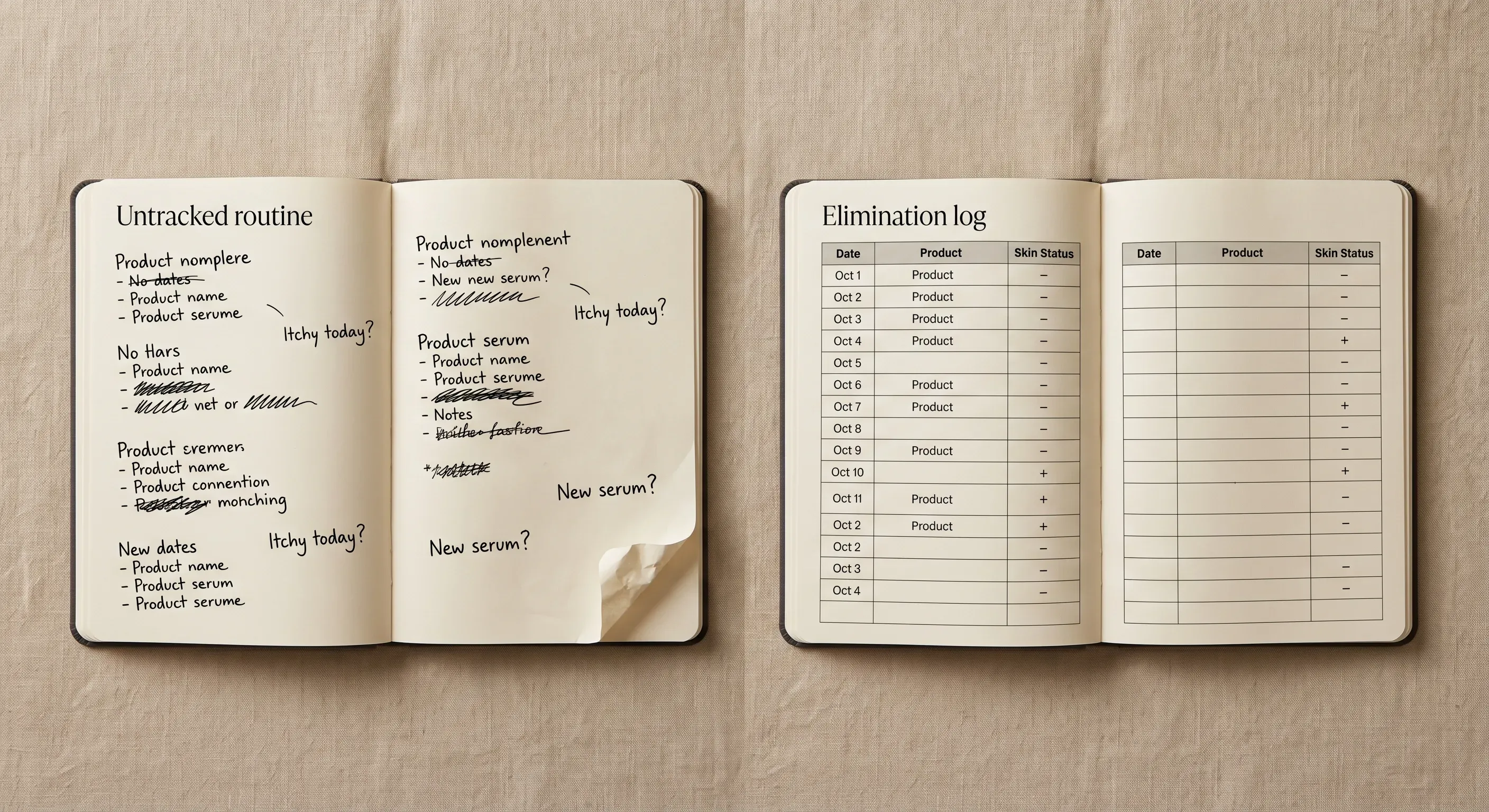
- Track daily: skin status, products used, sleep, stress, weather.
- If reactions calm: you'll add things back one at a time starting next week.
- If reactions persist: the trigger is non-cosmetic. Look at laundry, household, occupational, or non-allergic causes.
Week 3 — single reintroduction
- Add one new product (or one suspected exposure source) back.
- Wait 5-7 days before adding anything else.
- Track reactions carefully.
Week 4 — pattern recognition
- Look at what reintroduction matched what reaction.
- Photograph any flares.
- Bring the log and photos to your next dermatology visit.
Most patients underestimate how messy real-life product use is. A short daily log with timestamped product use, skin photos, and reaction notes is the single most valuable diagnostic tool you can give your dermatologist.
What to bring back to your dermatologist
If self-troubleshooting hasn't resolved it after 4-6 weeks:
- Your patch test report
- Your elimination log
- Photos of reactions over time
- Full INCI lists of every product currently in use
- Laundry detergent, hand soap, dish soap, and cleaning product labels
- Notes on workplace and hobby exposures
This turns a 15-minute follow-up into a productive diagnostic session.
FAQ
Could my reaction be to my patch test itself?
The test sites can stay itchy for a couple of weeks. But a true late reaction can also appear at the original test sites if you're highly sensitive — your dermatologist can confirm whether late marks count as positives.
Should I stop using all skincare and start over?
Stripping back to the bare minimum (cleanser + moisturiser + sunscreen) for a couple of weeks is reasonable. Stopping all skincare entirely is rarely necessary and can cause new barrier problems.
Can stress alone cause my reactions?
Stress doesn't cause allergic contact dermatitis but can absolutely worsen atopic dermatitis, rosacea, and seborrheic dermatitis — which may be what's actually flaring.
Is it worth a second patch test?
Yes, if your last test was more than 2-3 years ago, your exposure pattern has changed, or you're now suspecting allergens not on your original panel. Discuss with your dermatologist whether to repeat with an extended series.
What if nothing works?
Persistent dermatitis that resists careful avoidance and standard treatment is itself a clinical signal. Specialised contact dermatitis clinics, dermatology academic centres, and occupational dermatology referrals exist for this exact reason — don't accept "we don't know" as the final answer.
Bottom line
Still reacting after a patch test usually means one of three things: you're avoiding the wrong list, you have a hidden exposure source, or you have something other than allergic contact dermatitis going on.
The fix is not more products. The fix is a tighter routine, a wider awareness of where allergens hide, and a structured 4-week elimination with a written log.
For broader patch test guidance, start with our Complete Shopping Guide, then the Cross-Reactors Guide for the most common missed cause.

The Patch-Test Tracker & Journal
Turn your patch-test results into a system you can actually shop with.